

EVRP

EVRP by Fundamental Power Solutions

EV-Ready Plans for
Strata Buildings in British Columbia

A complete infrastructure blueprint that prepares every parking stall for Level 2 EV charging.

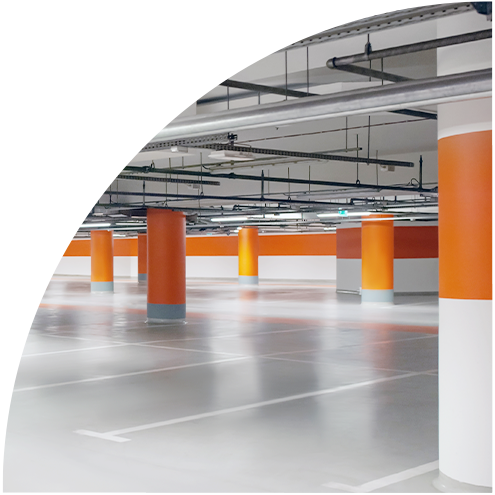
An EV-Ready Plan provides a detailed, engineered layout for EV charging infrastructure throughout a strata building. It outlines conduit routing, wiring requirements, panel upgrades, load management solutions, and design recommendations to ensure every stall can support future Level 2 charging. The EV-Ready Plan often builds on the findings from the Electrical Planning Report, using real capacity data and system analysis to create a safe, scalable, and cost-effective charging roadmap. All engineering work for this service is performed by Arbutus West Agency Ltd. or other registered engineering firms.

EVRP by Fundamental Power Solutions

What is an
EV-Ready Plan?

An EV-Ready Plan is a technical design document that details how a building can prepare every parking stall for future EV charger installation. While the EPR identifies electrical capacity and compliance requirements, the EV-Ready Plan goes deeper, focusing on the physical infrastructure needed to support charging throughout the property.

An EV-Ready Plan includes:

Conduit and cable routing design

Panel and transformer requirements

Load management strategies

Electrical room configuration

Charging layout and stall readiness

Recommendations tailored to the building’s architecture and electrical system

This plan ensures all future EV charger installations will be safe, equitable, and supported by the building’s infrastructure.

EVRP by Fundamental Power Solutions

Why EV-Ready Planning Matters

EV adoption in British Columbia continues to accelerate, and strata buildings face increasing pressure to support widespread charging. Without an EV-Ready Plan, buildings risk:

Uneven or unfair access to charging

Overloaded electrical systems

High retrofit costs later

Miscommunication between electrical contractors and residents

Complex coordination between

Infrastructure bottlenecks that limit charging expansion

An EV-Ready Plan creates a building-wide approach that is fair, future-proof, and aligned with BC’s electrification goals.

EVRP by Fundamental Power Solutions

What Fundamental Power Solutions Includes in your EVRP

Electrical Infrastructure Design

Conduit and wiring pathway diagrams

Panelboard and distribution requirements

Transformer and service considerations

Coordination with electrical room constraints

Stall-by-Stall Readiness

Infrastructure planning for each stall

Pathfinding through parkades and multi-level structures

Surface vs underground routing options

Labeling and documentation

Load Management and Capacity Strategy

Charger load-sharing options

Demand control strategies

Capacity allocation approaches

Future scalability considerations

Safety and Code Compliance

Recommendations aligned with BC Electrical Code

Fire safety and ventilation considerations

Clear signage and equipment placement

Rebate Eligibility Guidance

BC Hydro EV Ready incentives

CleanBC Go Electric rebates

Additional regional funding

Requirements for passing rebate inspections

Cost and Upgrade Pathway

High-level cost estimates for infrastructure work

Staging options to reduce capital impact

Optional upgrades vs required upgrades

Future-proofing recommendations

EVRP by Fundamental Power Solutions

How the EV-Ready
Plan Works with the EPR

The EPR and EV-Ready Plan are independent services, but they complement each other. For maximum clarity and cost efficiency, FPS recommends completing the EPR first, then using those findings to inform the EV-Ready Plan. However, EV-Ready Plans can be completed independently when required.

The EPR tells you:

How much electrical capacity your building has

How much EV load it can support

What upgrades may be required

What risks or limitations exist

The EV-Ready Plan tells you:

How to physically install the infrastructure

How to get every stall ready for Level 2 charging

How to route conduit and wiring safely

How to phase installation over multiple years

How to ensure equitable access for residents

EVRP by Fundamental Power Solutions

EV Readiness Made Clear

Our EV-Ready Planning Process gives strata councils a clear, practical roadmap for preparing every building for future charging needs. Through a structured engineering approach—spanning building reviews, on-site inspections, electrical analysis, and detailed infrastructure design—we identify the most efficient and cost-effective pathways to support long-term electrification. Each step ensures your plan is tailored, scalable, and ready for council approval.

The EV-Ready Planning Process:

01

Step One

Building Review

We review building drawings, parking layout, electrical access points, and structural considerations.

02

Step Two
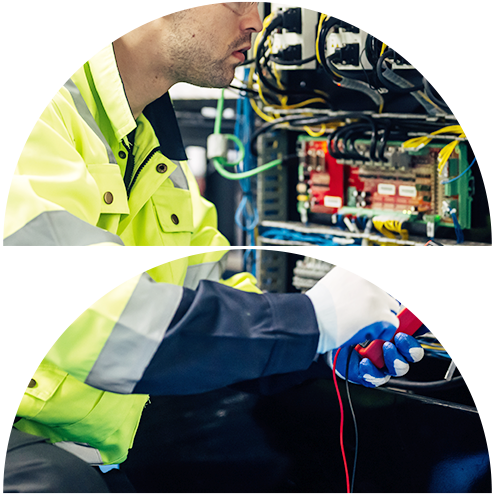
On-Site Inspection

We assess electrical rooms, panelboards, conduit routes, parkade pathways, and potential installation challenges.

03

Step Three

Electrical Analysis

We evaluate spare capacity, transformer limits, panel space, and opportunities for load management.

04

Step Four
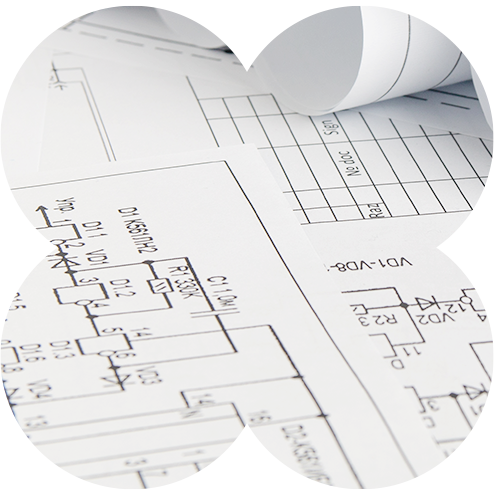
Infrastructure Design

We develop detailed routing diagrams, wiring strategies, equipment placement, and feasibility assessments.

05

Step Five

Staging Recommendations

FPS fully outlines phased installation options, cost ranges, and scalability strategies.

06

Step Six

Final Deliverable

You receive a complete EV-Ready Plan tailored to your building with clear diagrams, cost guidance, and next steps.

Addressing these commonly-found issues early
saves strata corporations time, cost, and operational disruption:

Insufficient conduit space or difficult routing

Lack of spare panel capacity

Poor electrical room ventilation

Undersized feeders or transformers

Unplanned individual charger installations

Safety hazards from outdated equipment

EVRP by Fundamental Power Solutions

Costs & Timeline

Understanding the financial and scheduling expectations of an EV-Ready Plan helps stratas budget confidently and plan ahead. Project costs vary based on parking layout, stall count, and routing complexity, while infrastructure preparation is influenced by the building’s design. Most EV-Ready Plans are completed within four to eight weeks, providing councils with a clear, actionable roadmap for future EV charging installations.

They key details:

EV-Ready Plan costs typically range from $3,000 to $8,000, depending on stall count and building layout complexity.

Infrastructure preparation generally ranges from $1,000 to $4,000 per stall, influenced by wiring routes and structural conditions.

Costs vary based on conduit pathways, panel accessibility, and overall installation feasibility.

Most EV-Ready Plan projects are completed within 4 to 8 weeks from start to final delivery.

These cost and timeline ranges give councils a realistic foundation for planning future EV infrastructure. With a clear roadmap in place, stratas can budget confidently, phase upgrades effectively, and move toward full EV readiness at a manageable pace.

EVRP by Fundamental Power Solutions

Quick Answers to
Common Questions

001

Do we need an EV-Ready Plan if we already completed an EPR?

Yes. The EPR evaluates capacity; the EV-Ready Plan designs the infrastructure. Both are essential steps.

002

Can owners install chargers without an EV-Ready Plan?

It is not recommended. Without a coordinated plan, electrical systems can become overloaded or inaccessible for future residents.

003

Does EV readiness require chargers to be installed?

No. EV-Ready means the infrastructure is prepared so chargers can be installed later when needed.

004

Does an EV-Ready Plan help
us qualify for rebates?

Yes. Most rebate programs require an EV-Ready Plan to demonstrate compliance.

BOOK A FREE ASSESSMENT

Start Planning For
Your Building’s
Electrical Future

A clear, engineered plan helps you understand current capacity, forecast future needs, and implement upgrades strategically—avoiding costly surprises while ensuring your building is ready for the next decade and beyond. Book your free, no-obligation assessment today and take the first step toward an EV-ready future.