
The Site C Effect: How Mega Projects Are Reshaping B.C.’s Power Grid
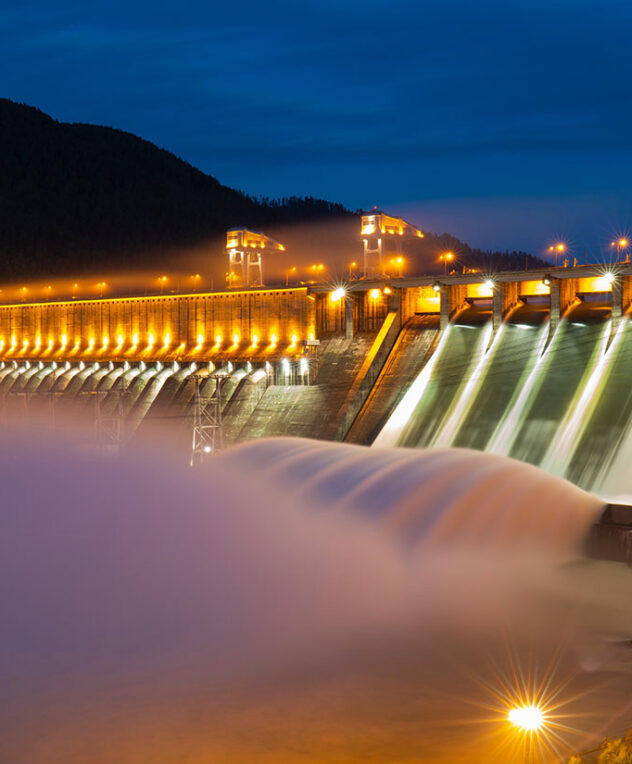
As British Columbia continues its transition toward a cleaner, more electrified future, few projects have had as significant an impact as the Site C Dam. While much of the public conversation has focused on its generation capacity, the true influence of Site C extends far beyond the dam itself.
Projects of this scale don’t just produce electricity—they fundamentally reshape how power is transmitted, tested, and managed across the province. For utilities, contractors, and service providers alike, Site C represents a turning point in the evolution of B.C.’s electrical infrastructure.
A New Era of Power Generation in British Columbia
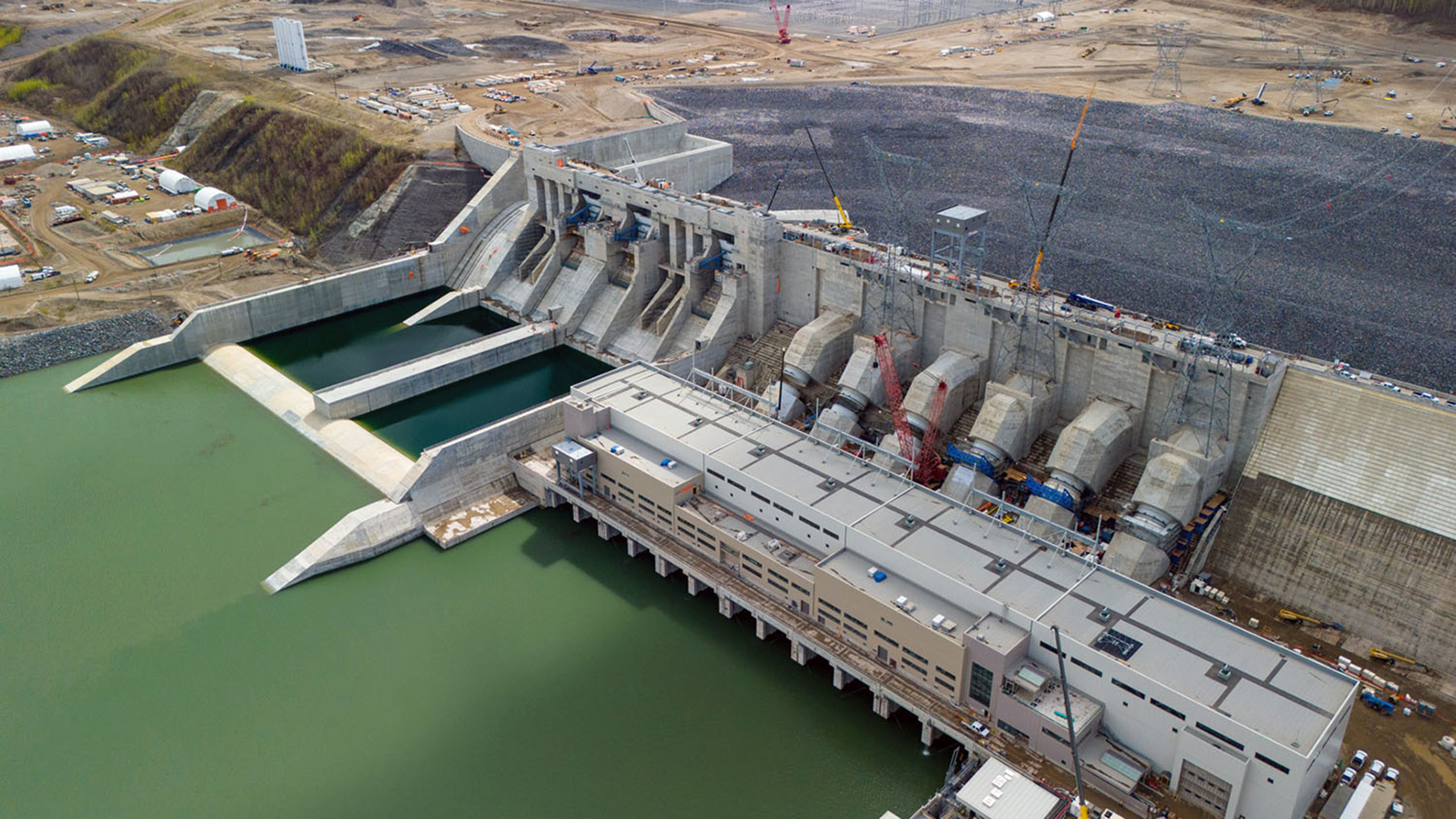
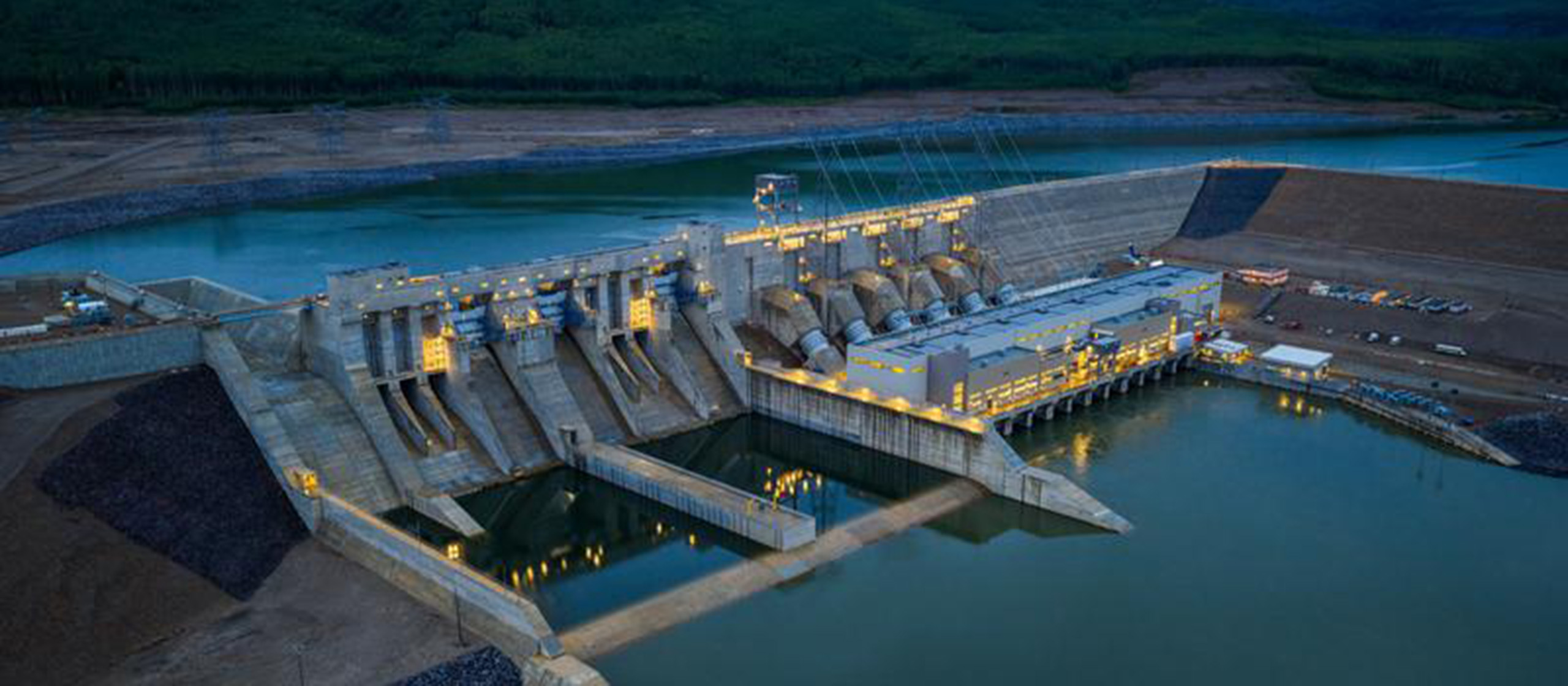
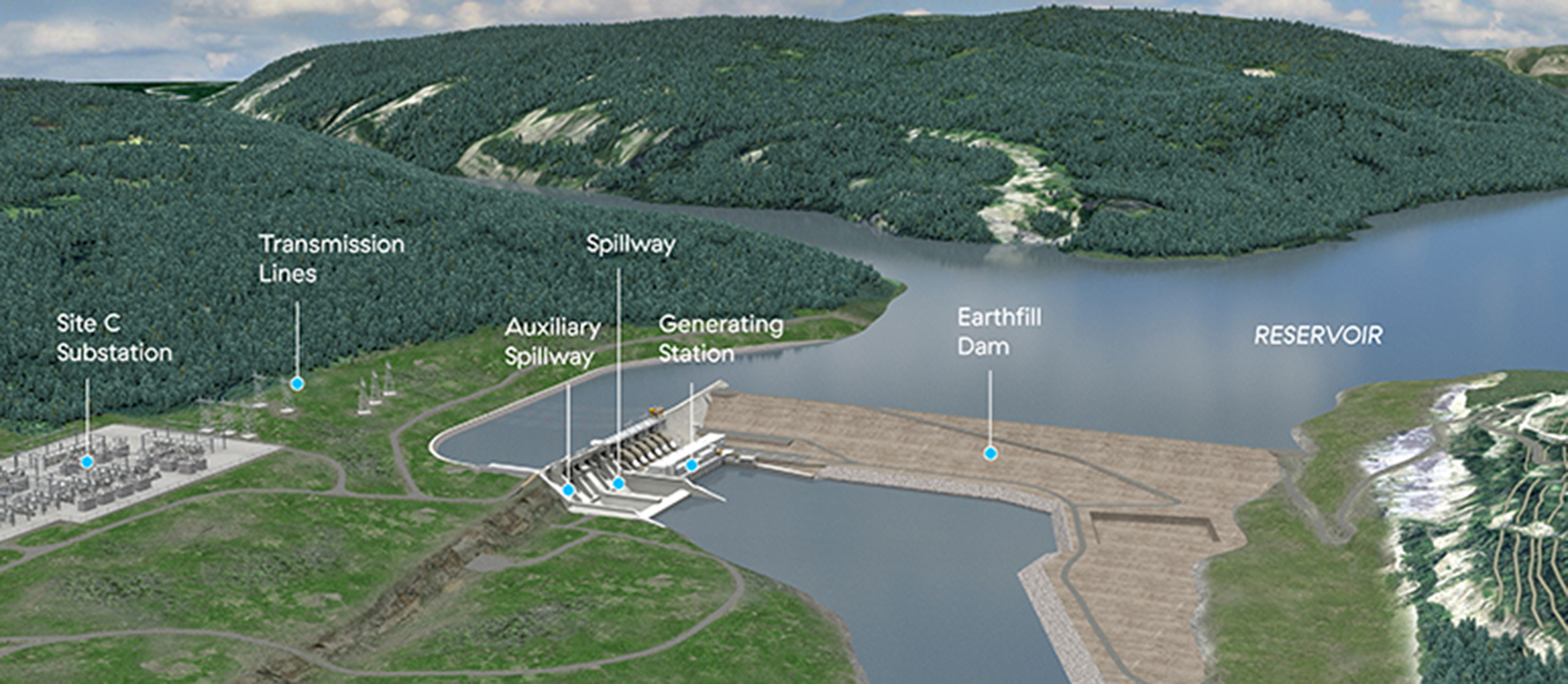
Developed by BC Hydro, Site C is the third dam on the Peace River and one of the largest infrastructure projects in Canadian history. With an expected capacity of approximately 1,100 megawatts, it will provide enough electricity to power hundreds of thousands of homes—adding roughly 8% to the province’s total supply.
This new capacity comes at a critical time. Demand for electricity in British Columbia is rising rapidly, driven by:
- Electrification of transportation (EV adoption)
- Industrial decarbonization
- Population growth
- Expansion of energy-intensive sectors like data centres
Site C is designed to meet these demands—but generating power is only part of the equation.
The “Site C Effect” on Grid Infrastructure
Bringing a project like Site C online requires far more than building a dam. It necessitates a coordinated expansion and modernization of the entire power system.
1. Transmission Expansion
Electricity generated in northeastern B.C. must be delivered efficiently to population centers in the south. This requires:
- New high-voltage transmission lines
- Upgraded substations
- Reinforced interconnections with existing infrastructure
These upgrades ensure that power can move reliably across long distances without bottlenecks or losses.
2. Increased System Complexity
Integrating a major new generation source into an existing grid introduces new layers of complexity, including:
- Load balancing across multiple generation assets
- Coordination with legacy hydroelectric facilities
- Real-time demand response management
The result is a system that is more capable—but also more dependent on precise engineering and validation.
3. Grid Stability and Reliability
Maintaining stability across a larger, more interconnected grid requires careful planning and execution. Even minor inconsistencies can have cascading effects if not properly addressed.
This is where testing and commissioning become critical.
Commissioning a Project of This Scale
Before a project like Site C can deliver power to homes and businesses, every component of the system must undergo rigorous validation.
Commissioning is not a single event—it is a phased, highly controlled process that ensures each part of the system performs as intended under real-world conditions.
Key commissioning stages include:
- Generator testing – Verifying generator performance under load and real-world conditions
- Transmission validation – Ensuring lines and substations operate safely and efficiently
- System integration – Confirming all components work together seamlessly
At each stage, reliability is the priority. Systems must be tested not only for normal operation, but also for:
- Peak demand scenarios
- Emergency conditions
- Redundancy and backup performance
Without this level of validation, even the most advanced infrastructure can fall short when it matters most.
Why Testing and Temporary Power Are Critical
Large-scale infrastructure projects introduce unique challenges—especially during construction, commissioning, and system upgrades.
This is where specialized services play an essential role.
Load Bank Testing
Load banks simulate real electrical demand, allowing systems to be tested under controlled, repeatable conditions. This ensures:
- Generators perform to specification
- Backup systems engage correctly
- Equipment can handle full operational loads
In complex environments, load testing is often the only way to verify performance before live deployment.
Temporary Power Solutions
During construction and integration phases, reliable temporary power is often required to:
- Support ongoing work while permanent systems are offline
- Bridge gaps during system tie-ins
- Maintain uptime for critical operations
Temporary power ensures that progress continues without compromising safety or reliability.
Supporting Seamless Transitions
As new infrastructure is brought online, existing systems must remain operational. This creates a need for carefully managed transitions—where testing, temporary solutions, and technical expertise all come together.
The Broader Impact on B.C.’s Energy Future
The influence of Site C extends well beyond its immediate output. It is helping to lay the foundation for the next generation of energy development in British Columbia.
Electrification at Scale
As industries and communities shift away from fossil fuels, electricity demand will continue to grow. Projects like Site C provide the capacity needed to support this transition.
Integration of Renewables
While hydro remains the backbone of B.C.’s power system, wind and solar are expected to play an increasing role. Integrating these intermittent sources will require:
- Flexible grid infrastructure
- Advanced monitoring and control systems
- Ongoing testing and validation
Increased Demand for Reliability
With more sectors relying on electricity, the tolerance for downtime continues to shrink. Reliability is no longer a preference—it is a requirement.
This places greater emphasis on:
- Preventative maintenance
- System testing
- Proven commissioning practices
Building a More Resilient Grid
Projects like the Site C Dam are more than engineering achievements—they are catalysts for change across the entire power ecosystem. As British Columbia’s grid becomes larger, more complex, and more critical to everyday life, the importance of proper testing, validation, and support services cannot be overstated.
At Fundamental Power Solutions, we support infrastructure projects across the province with load bank testing, temporary power, and commissioning services designed to ensure systems perform when it matters most. Because in today’s energy landscape, delivering power is only half the job—ensuring it works reliably is what truly powers the future.