

Overcoming Generator Latency and Regenerative Power Challenges: The Quartz Creek Bridge Replacement Project in BC
Major infrastructure projects in remote regions of British Columbia demand more than just heavy equipment—they require reliable, intelligently managed power systems that can perform under variable loads and extreme conditions. The Quartz Creek Bridge Replacement Project, located in northern BC, is a prime example of how innovative power solutions can overcome complex site challenges.
With no access to utility power and significant crane lift requirements on both sides of a river crossing, the project team faced critical power reliability issues that threatened productivity, equipment safety, and project timelines. Fundamental Power Solutions (FPS), based in Coquitlam, BC, was brought in to design and deploy a solution that ensured generator stability, eliminated latency, and protected generation assets from regenerative power damage.
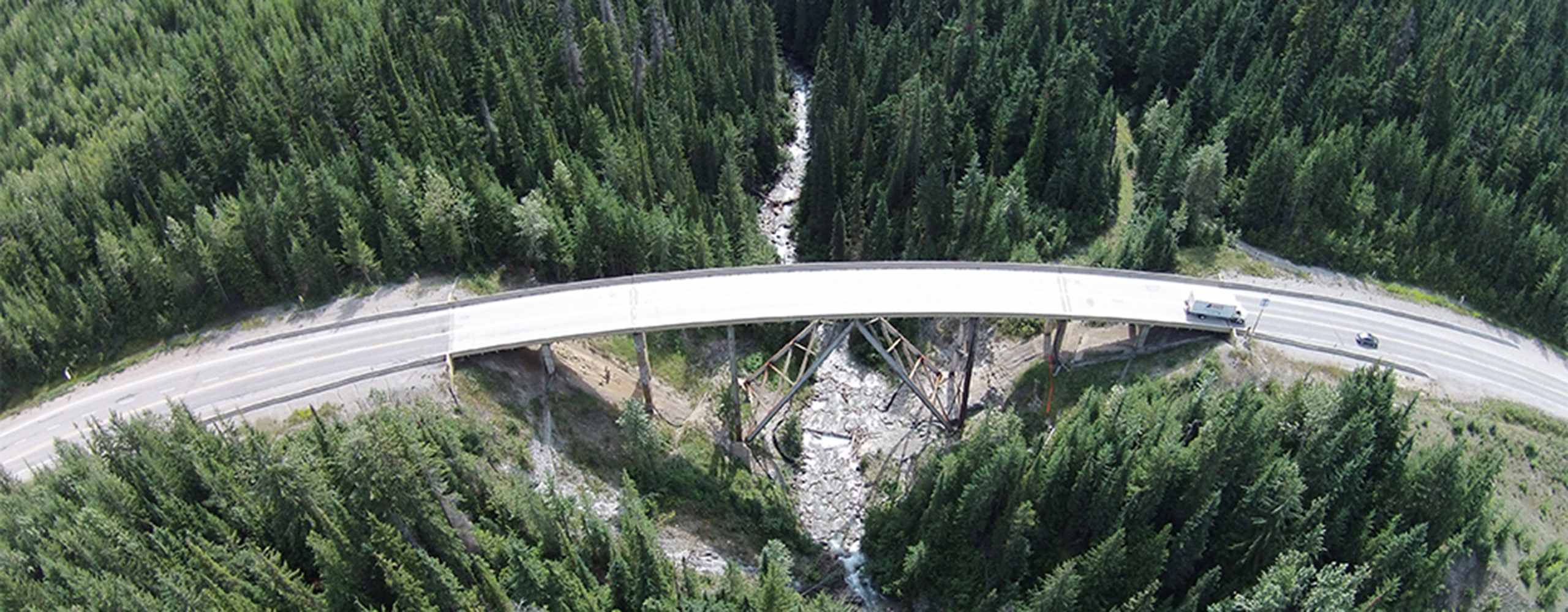
Project Overview: Powering a Remote Bridge Construction Site
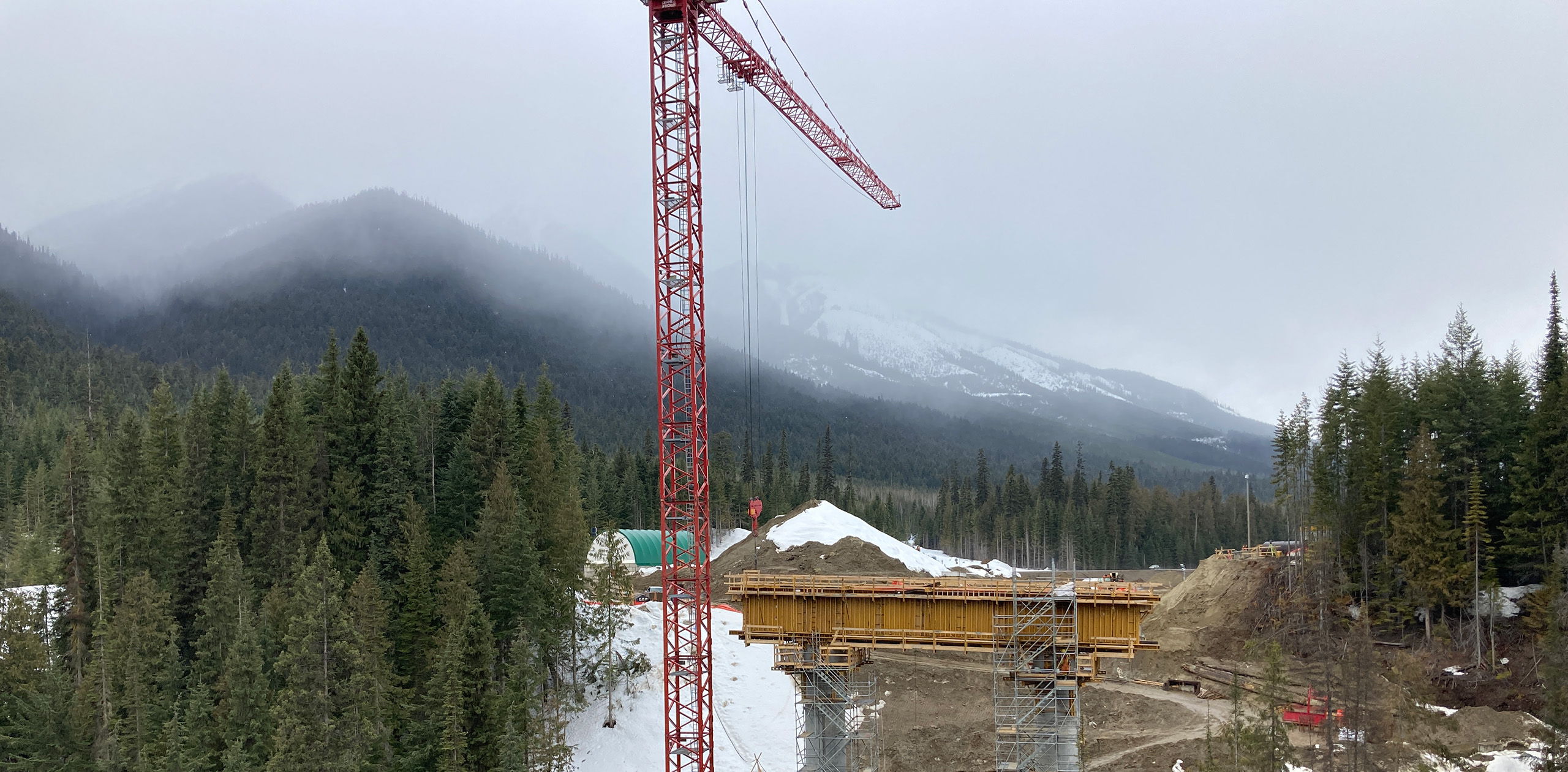
The Quartz Creek Bridge Replacement Project required dependable temporary power to support crane operations on both sides of the river. Each side of the site relied on:
- 2 x 550 kVA, 480V generators
- No access to utility power
- Large cranes responsible for heavy-span bridge construction
While the generators were appropriately sized for peak demand, real-world operating conditions introduced challenges that are increasingly common on remote infrastructure projects—particularly those using modern, low-emissions generators.
Challenge #1: Generator Underloading and Crane Performance Issues
The Problem: Latency from Lightly Loaded Generators
At this remote northern BC site, the generators frequently operated under light load conditions relative to their capacity. This created two major issues:
- Generator latency, where engines could not respond quickly enough to sudden power demands
- Insufficient instantaneous power for crane lift operations
As a result, each crane—one positioned on either side of the river—was unable to lift the required loads consistently or safely. This directly impacted productivity and posed risks to both equipment and project scheduling.
Underloading is a well-known issue with modern diesel generators, especially Tier 4-compliant units, which are highly sensitive to low-load operation. Without proper load management, generators can suffer from inefficiency, poor performance, and long-term maintenance issues such as wet stacking.
FPS Solution #1: Auto Load Banks to Eliminate Generator Latency
To resolve the latency and underloading issues, Fundamental Power Solutions supplied:
- 2 x 550 kW, 480V outdoor portable AUTO load banks
- One unit installed on each side of the river, positioned near the generators
How Auto Load Banks Solved the Problem
These auto load-designed load banks were engineered to dynamically manage generator loading in real time:
- They maintained a minimum load on the generators at all times
- When crane demand increased, the load banks would automatically shed load
- When site demand dropped, the load banks would reapply load to prevent underloading
By stabilizing generator operation, the auto load banks effectively eliminated latency, allowing the generators to respond instantly to crane power demands.
The Result
- Cranes were able to operate at full capacity
- Lift performance became smooth, predictable, and reliable
- Generator engines operated within optimal load ranges
This solution ensured both operational efficiency and mechanical longevity—critical factors on long-duration construction projects in remote environments.

Challenge #2: Regenerative Power from Crane Operations
The Hidden Risk of Regenerative Energy
Crane operations introduce another often-overlooked power challenge: regenerative power.
When a crane lowers a load, energy is fed back through the motor and into the power system. When cranes are powered by generators rather than utility grids, this regenerated power can:
- Travel back toward the generator
- Cause voltage instability
- Lead to catastrophic generator damage
In remote sites with no grid to absorb excess energy, regenerative power poses a serious risk to generation equipment.
FPS Solution #2: Resistive Load Banks for Regenerative Power Dissipation
To protect the generators from regenerative energy, FPS integrated a resistive load bank into the circuit.
How the Solution Worked
- Regenerated power from crane lowering operations was diverted into the load bank
- The load bank safely dissipated excess energy as heat
- Power was stopped before it could reach the powerhouse
Key Benefits
- Eliminated the risk of generator damage
- Stabilized voltage and frequency during crane operations
- Improved overall system safety and reliability
By addressing regenerative power at the source, FPS ensured that the generators remained protected throughout all lifting and lowering cycles.
Automated Load Tracking for 24/7 Generator Protection
Beyond solving the immediate crane-related challenges, the installed load banks delivered an additional layer of value through automated load tracking.
Intelligent Load Management During Low-Demand Periods
During periods of minimal site activity—such as overnight—the load banks automatically:
- Applied load to generators running at light load
- Prevented inefficient operation and wet stacking
- Optimized fuel consumption and combustion efficiency
As site demand increased, the system would automatically shed load, ensuring generators always operated within safe and efficient parameters.
This continuous, automated protection acted as an essential maintenance safeguard, extending generator life and reducing unplanned service interruptions.
Built for Flexibility: Ongoing Generator Testing and Commissioning
The load banks supplied by FPS were also strategically sized to support:
- Routine generator testing
- Preventative maintenance programs
- Commissioning of new generator components during construction
This meant the equipment delivered immediate operational benefits while also providing long-term value throughout the construction timeline.
Why This Matters for Remote Infrastructure Projects in BC
Remote bridge, mining, and industrial projects across British Columbia increasingly rely on:
- Large temporary generators
- Tier 4 low-emissions engines
- Variable and unpredictable load profiles
Without proper load management, these systems face challenges such as:
- Generator latency
- Wet stacking
- Regenerative power damage
- Reduced fuel efficiency
- Increased maintenance costs
Key Takeaway: Intelligent Load Banks Solve More Than One Problem
The Quartz Creek Bridge Replacement Project demonstrates how portable auto load-designed load banks can address multiple site challenges simultaneously.
FPS Load Bank Solutions Can Help With:
- Generator latency and poor transient response
- Underloading of Tier 4 generators
- Regenerative power dissipation from cranes and hoists
- Wet stacking prevention
- Fuel efficiency and emissions optimization
- Ongoing generator maintenance and testing
Partnering with Fundamental Power Solutions
Based in Coquitlam, BC, Fundamental Power Solutions specializes in temporary and permanent power solutions for complex, remote, and high-risk environments. From infrastructure and industrial construction to utilities and energy projects, FPS delivers engineered solutions that go beyond basic equipment supply.
The Quartz Creek Bridge Replacement Project is a clear example of FPS’s ability to:
- Identify hidden power system risks
- Engineer practical, site-ready solutions
- Enhance safety, reliability, and performance in challenging conditions
If your project faces generator performance issues, crane power challenges, or remote site constraints, Fundamental Power Solutions has the expertise to help keep your operations moving—safely and efficiently.