

General Uses of Load Banks: Beyond Standard Generator Testing
When most people hear the term load bank, they immediately think of generator testing. And while that is one of the most common applications, load banks play a far broader role in today’s power systems.
At Fundamental Power Solutions, we regularly deploy load banks across a wide range of industries and applications — from data centres and renewable energy systems to construction sites and remote camps. In this article, we’ll explore the general uses of a load bank, highlighting how these versatile systems support power reliability, performance validation, and operational efficiency.

What Is a Load Bank?
A load bank is a device designed to simulate an electrical load. Instead of connecting live operational equipment, a load bank applies a controlled, artificial load to test and validate the performance of power sources and electrical infrastructure.
Load banks are commonly used to test:
- Generators
- Transformers
- UPS systems
- Power distribution units (PDUs)
- Renewable energy systems
They allow operators to verify system functionality under real-world conditions — without risking critical equipment.
Power Testing Applications
Load banks are essential tools for validating the performance of electrical infrastructure before systems are placed into service.
1. Transformer Testing
Before a transformer is energized into a live network, it must be verified to perform as designed.
Load banks are used to:
- Apply controlled loads
- Confirm voltage regulation
- Verify thermal performance
- Ensure stability under operational conditions

This testing ensures that the transformer can safely handle anticipated demand once installed.
2. PDU Testing in Data Centres and Construction Sites
Power Distribution Units (PDUs) are critical components in data centres and temporary construction environments.
Using load banks, teams can:
- Simulate real IT loads
- Confirm distribution capacity
- Validate breaker coordination
- Identify potential thermal issues
In data centre environments, load banks are often used prior to server installation to validate that the infrastructure can handle full operational demand.
3. UPS Start-Up and Maintenance Testing
Uninterruptible Power Supply (UPS) systems must perform flawlessly when called upon. Load banks allow operators to simulate outage scenarios and verify:
- Battery discharge performance
- Inverter operation
- Transfer times
- Thermal performance
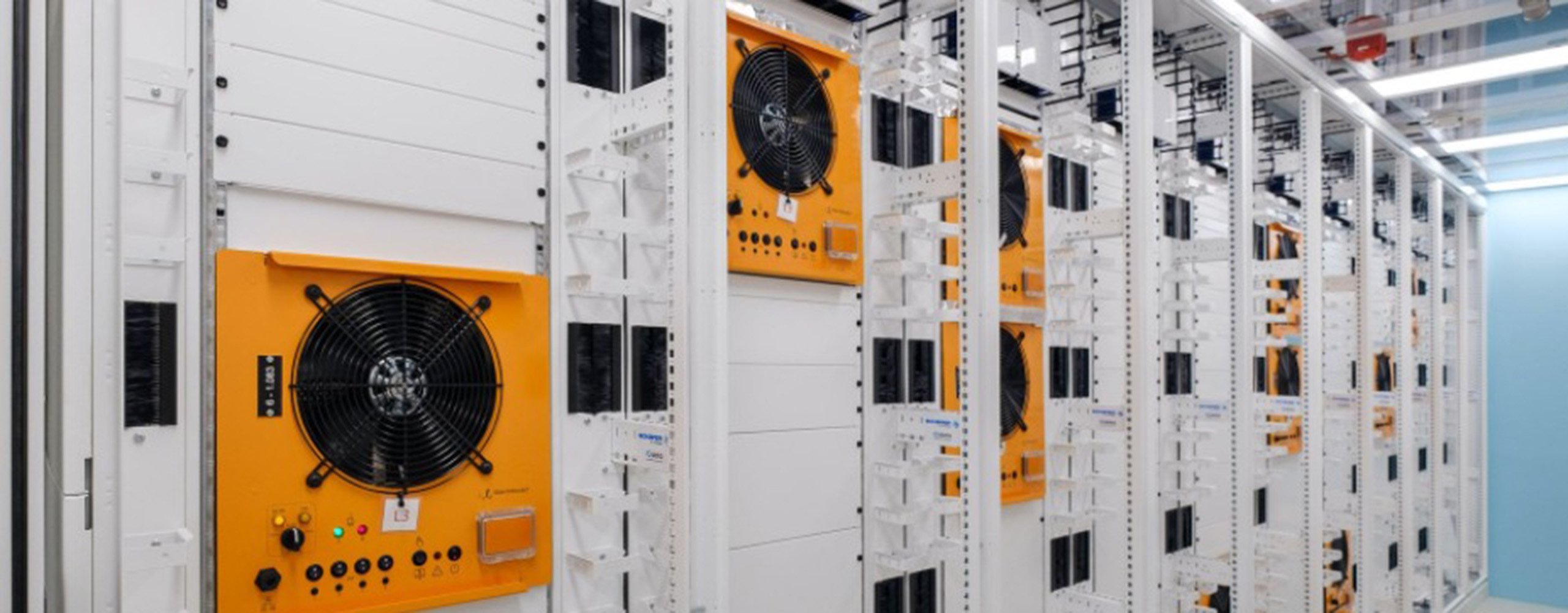
Regular maintenance testing ensures the UPS will respond properly during real emergencies.
4. Renewable Energy System Testing
Load banks also play a key role in validating renewable energy systems such as:
- Photovoltaic (solar) installations
- Wind turbine systems
In both cases, load banks can:
- Simulate grid demand
- Verify inverter performance
- Test system output under varying conditions
- Confirm power quality
As renewable integration increases, reliable testing becomes essential for both commissioning and ongoing maintenance.
Generator Testing: More Than Just a Resistive Load
Generator testing remains one of the most widely recognized load bank applications — but it involves more nuance than simply applying a resistive load.
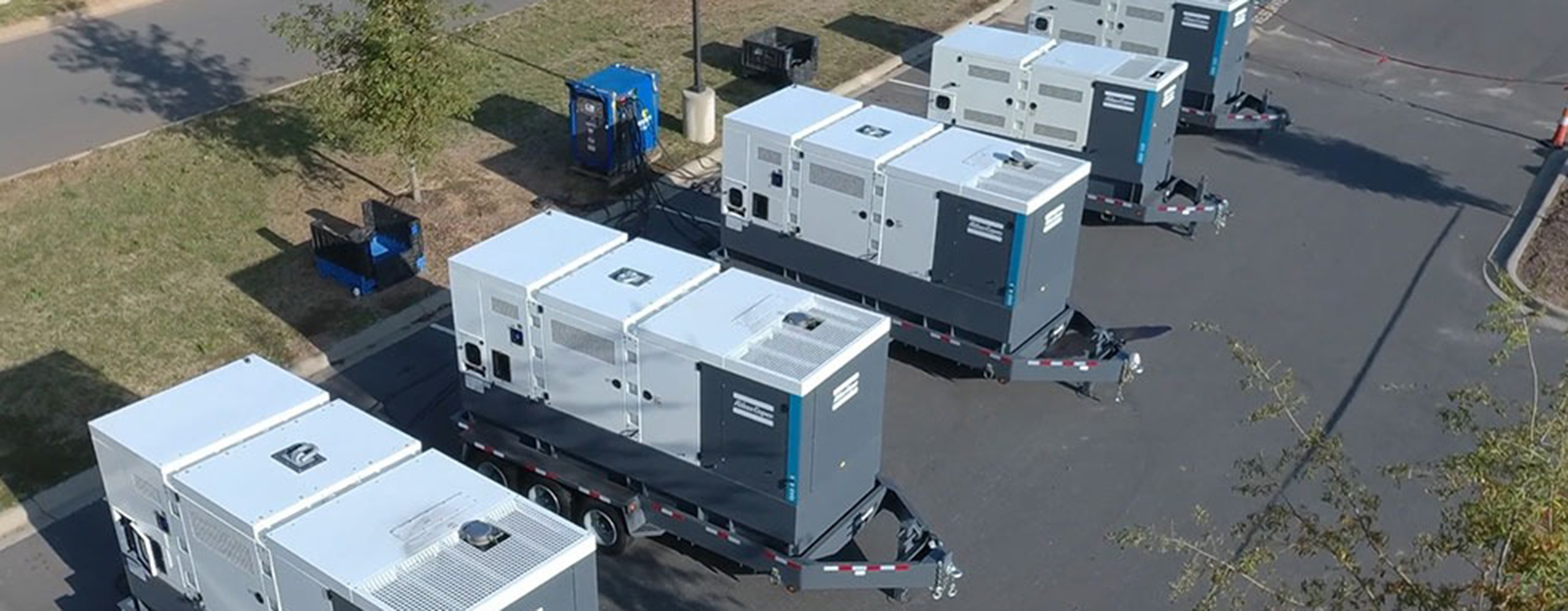
Unity Power Factor Testing (Resistive Only)
A resistive load bank allows generators to be tested at unity power factor (1.0 PF). This simulates purely resistive loads such as:
- Heating elements
- Incandescent lighting
- Basic industrial loads
This form of testing confirms:
- kW output
- Engine performance
- Cooling system efficiency
- Fuel system stability
Lagging Power Factor Testing (Resistive + Reactive / Inductive)
In real-world environments, loads are rarely purely resistive. Most facilities operate with inductive loads such as:
- Motors
- Pumps
- Compressors
- HVAC systems
To simulate these conditions, a combined resistive and reactive (inductive) load bank is used. This creates a lagging power factor test, allowing verification of:
- kVA capacity
- Voltage regulation under inductive load
- Alternator performance
- System stability at rated power factor
Leading Power Factor Testing (Capacitive)
Some specialized environments require leading power factor testing. In these cases, capacitive load banks are used to simulate:
- Capacitor banks
- Power factor correction systems
- Certain renewable integration scenarios
This ensures the generator can maintain voltage stability under leading conditions.
By testing at specific power factors, operators can confirm that generators will perform reliably in their intended operating environment.
Heat Generation Applications
Load banks convert electrical energy into heat — and in some cases, that heat becomes a useful byproduct.
Heating Remote Camps
In remote locations powered solely by generators, load banks can serve dual purposes:
- Maintain proper generator loading
- Provide supplemental heating for large spaces
This approach prevents generators from becoming underloaded — a condition that can lead to wet stacking and reduced engine life — while simultaneously meeting heating needs.
Data Centre HVAC Testing
Before server racks are installed, data centre cooling systems must be validated.
Load banks are deployed to:
- Simulate full IT heat load
- Test HVAC response
- Verify cooling redundancy
- Confirm airflow management
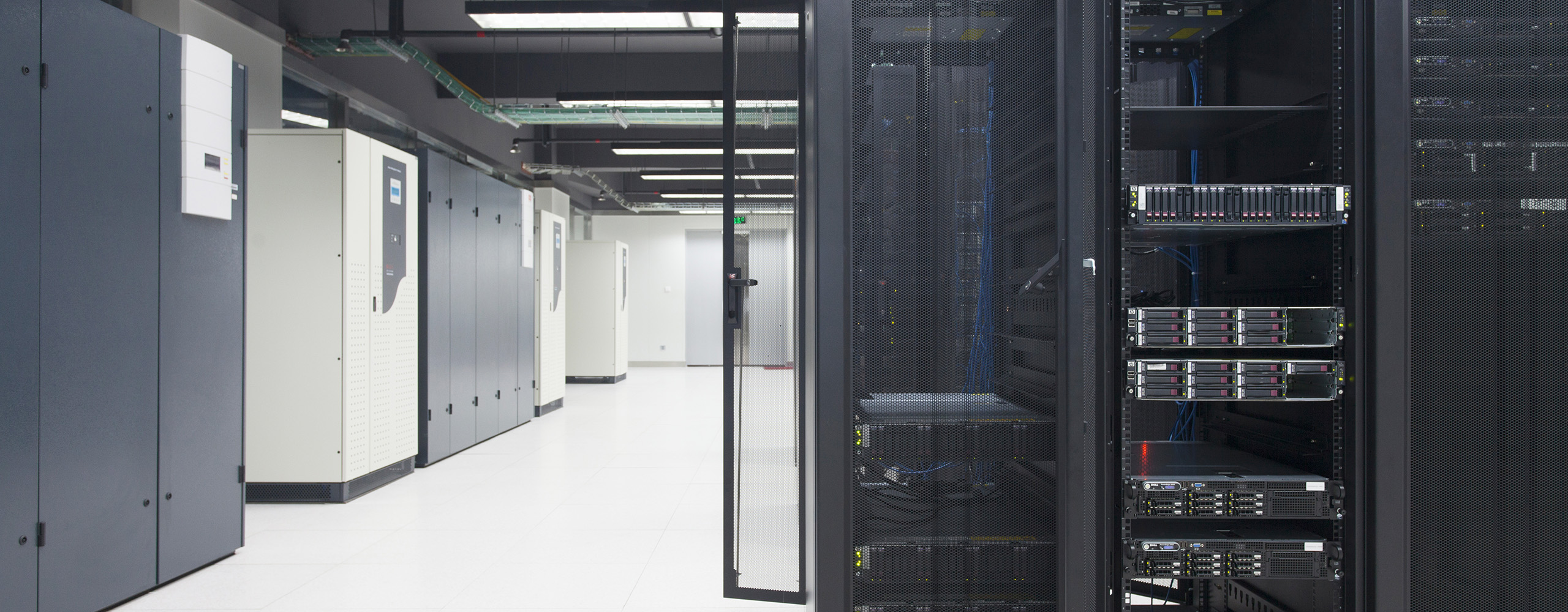
This allows operators to ensure cooling infrastructure is fully operational before critical IT equipment goes live.
Commercial Freezer Testing
Cold storage facilities and commercial freezers must maintain strict temperature requirements.
Load banks help:
- Validate cooling capacity
- Test compressor cycling
- Confirm system stability under full load
This ensures food safety compliance and operational reliability.
Generator Assistance (Automatic Load Management)
Load banks can also be permanently paired with generators to enhance performance during real-time operation.
Preventing Underloading
Diesel generators that operate at low loads for extended periods can experience:
- Carbon buildup
- Wet stacking
- Reduced efficiency
- Shortened engine lifespan
Automatic load bank systems can engage when the generator load drops below a set threshold. This:
- Maintains optimal engine loading
- Improves combustion efficiency
- Extends equipment life
At the same time, the generator remains available to deliver full kVA output when needed — providing the best of both worlds.
Regenerative Braking Applications
In certain industrial applications, such as:
- Cranes
- Lifts
- Elevators
Load banks can absorb regenerative energy produced during braking. Rather than allowing energy to destabilize the system, the load bank safely dissipates it as heat, improving system stability and protecting equipment.
Why Load Banks Are Essential in Modern Power Systems
As electrical systems become more complex — particularly with the growth of data centres, renewable integration, and distributed generation — load banks play an increasingly important role in:
- Commissioning new infrastructure
- Performing preventative maintenance
- Validating system upgrades
- Ensuring compliance and reliability
- Protecting high-value assets
Load banks provide a safe, controlled way to stress-test power systems before real-world demands are applied.
Partnering with Fundamental Power Solutions
At Fundamental Power Solutions, load banks are more than just testing devices — they are strategic tools used to ensure reliability across diverse industries.
Our team supports:
- Generator commissioning and maintenance
- Data centre infrastructure validation
- Renewable energy system testing
- Industrial and commercial power verification
- Remote and temporary power applications
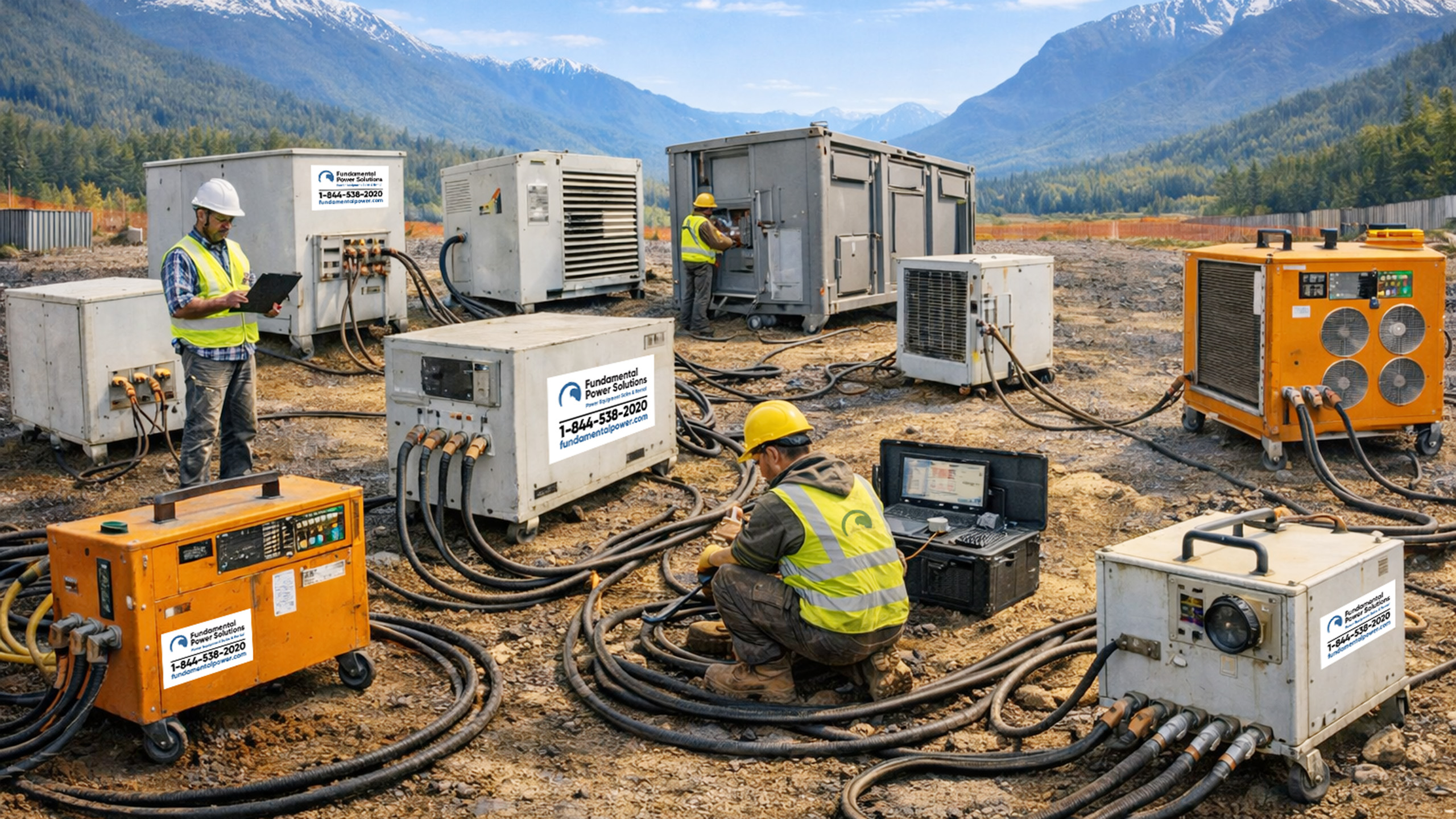
With extensive field experience and a deep understanding of power system behaviour, we help clients verify performance, improve efficiency, and protect critical infrastructure.
Final Thoughts
While generator testing may be the most recognized application, the general uses of a load bank extend far beyond that single function.
From transformer validation and UPS testing to renewable energy commissioning, HVAC verification, heat generation, and regenerative braking, load banks serve as a cornerstone of modern power system testing and optimization.
In today’s environment — where reliability, uptime, and performance are non-negotiable — load banks are not optional. They are essential.
If you’re looking to ensure your power systems perform exactly as designed, working with an experienced provider like Fundamental Power Solutions can make all the difference.