
From Surplus to Strain: How Drought Is Impacting British Columbia’s Power Grid
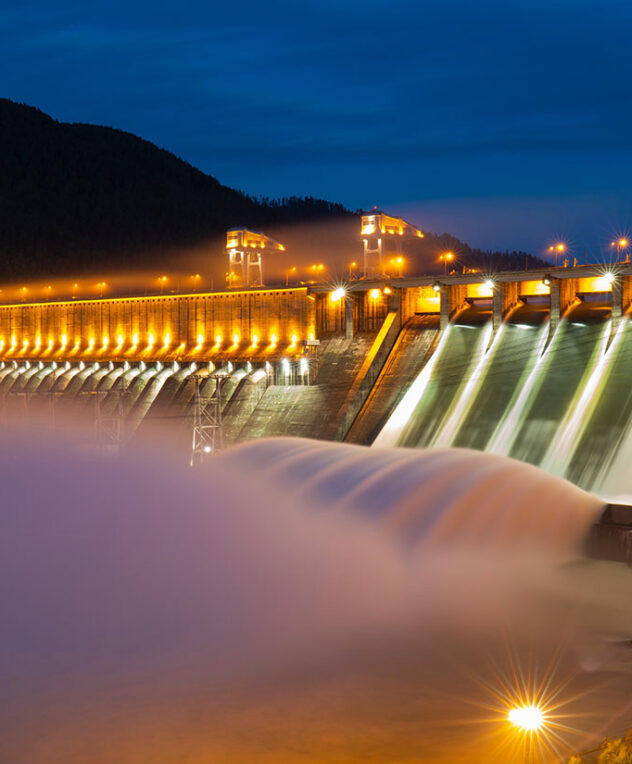
British Columbia has long been recognized for its abundant hydroelectric resources, with water-powered generation forming the backbone of the province’s electricity supply. For decades, this system has provided reliable, low-cost, and clean energy—often producing enough to export surplus power to neighbouring regions.
But in recent years, that narrative has begun to shift.
Prolonged dry conditions and changing climate patterns are placing increasing pressure on hydroelectric generation, forcing utilities like BC Hydro to rethink how electricity is managed, delivered, and secured. The result is a growing reliance on imported power and a renewed focus on grid reliability across British Columbia.
The Role of Hydropower in B.C.’s Energy System
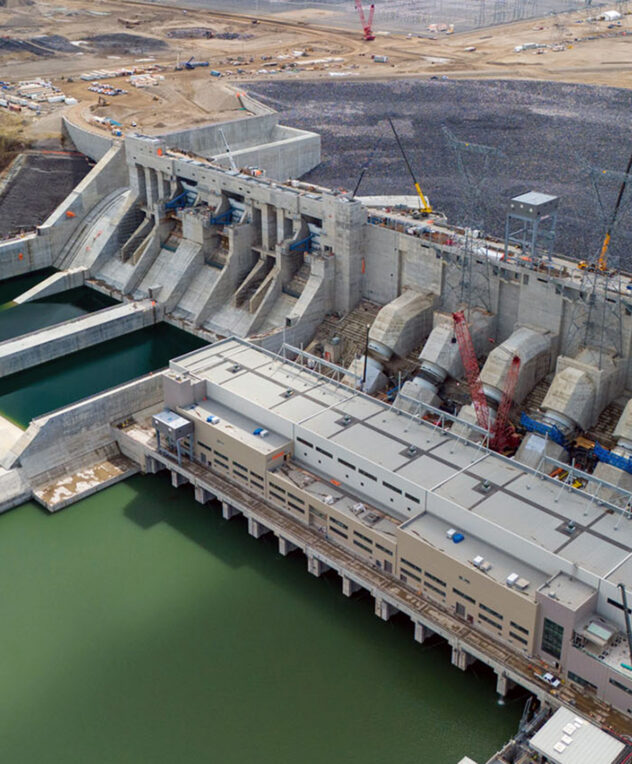
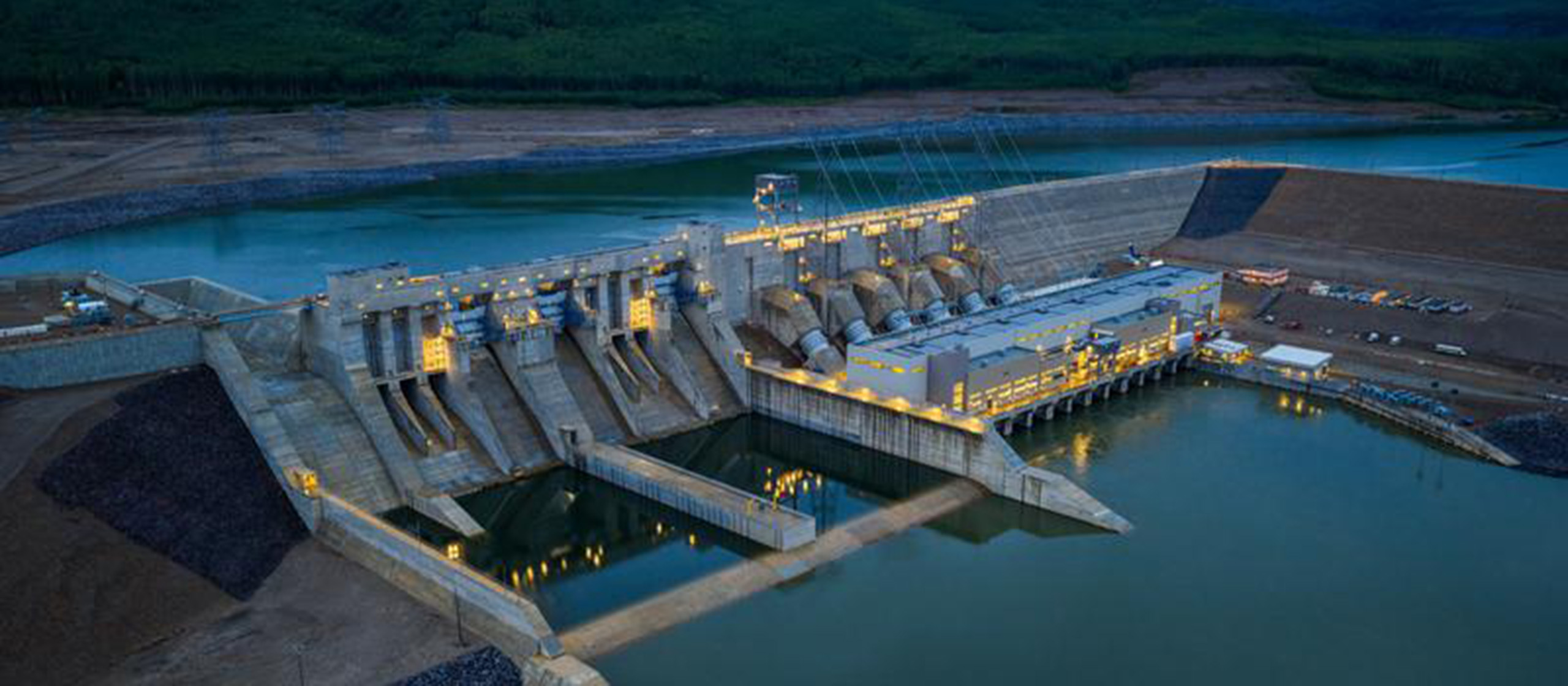
Hydroelectricity accounts for the vast majority of power generation in the province. Large-scale facilities—such as the W. A. C. Bennett Dam and the Site C Dam—depend on consistent water flow to generate electricity efficiently.
Under normal conditions, this system offers several advantages:
- Stable baseload power
- Low emissions
- Long asset lifespans
- Cost-effective generation
However, these benefits are closely tied to one critical variable: water availability.
When Water Levels Drop, So Does Power Generation
Drought conditions directly impact reservoir levels, limiting the amount of water available for electricity production. In recent years, below-average snowpack and reduced precipitation have resulted in lower inflows to key reservoirs.
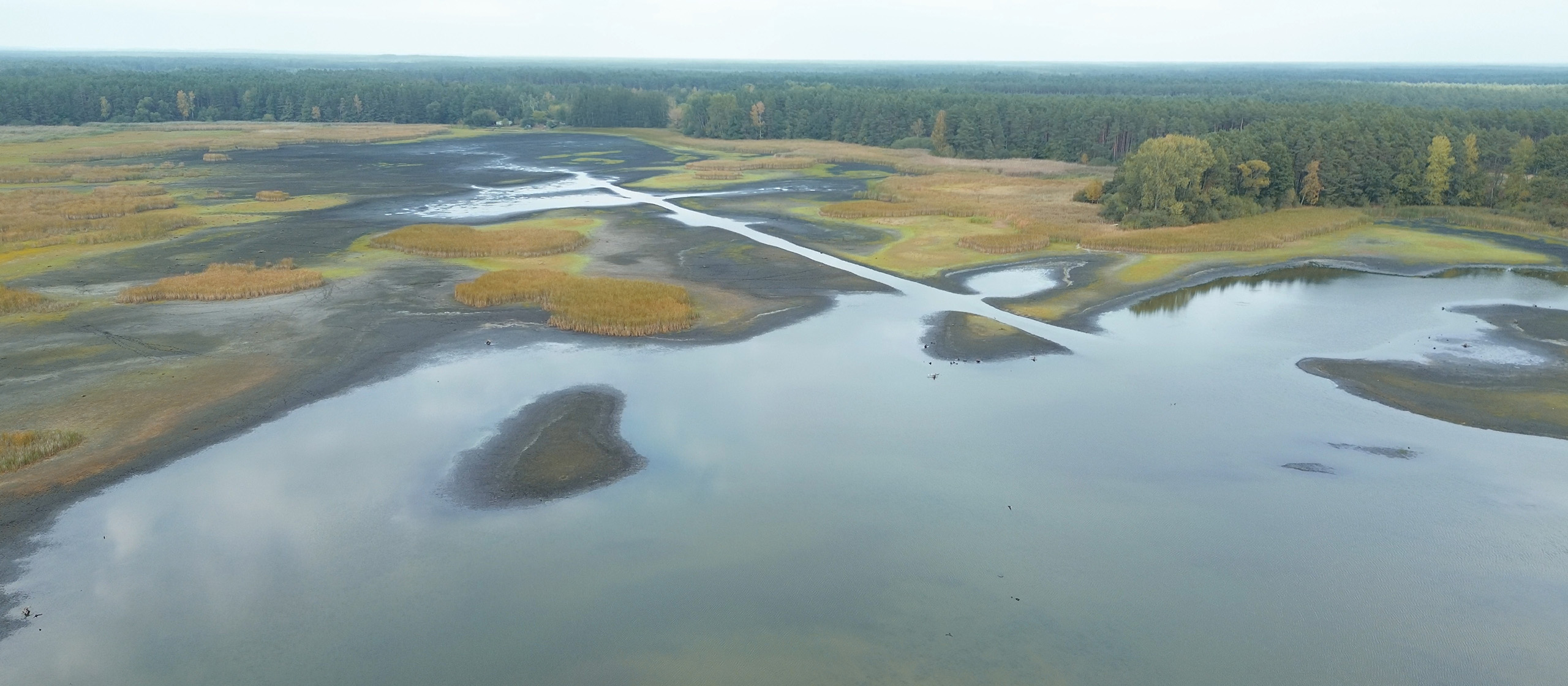
This creates a cascading set of challenges:
- Reduced generation capacity during peak demand periods
- Increased reliance on stored water reserves
- Limited flexibility to respond to sudden spikes in demand
When supply tightens, utilities must look elsewhere to meet demand—often turning to electricity imports.
The Shift Toward Imported Power
As domestic generation declines during drought periods, British Columbia increasingly relies on power imports from neighbouring jurisdictions. While this helps maintain supply, it introduces new considerations:
- Higher costs – Imported electricity is often more expensive
- Carbon intensity – External sources may include fossil fuel generation
- Market volatility – Prices fluctuate based on regional demand
This shift marks a notable change for a province historically known as a net exporter of clean energy.
Grid Reliability Under Pressure
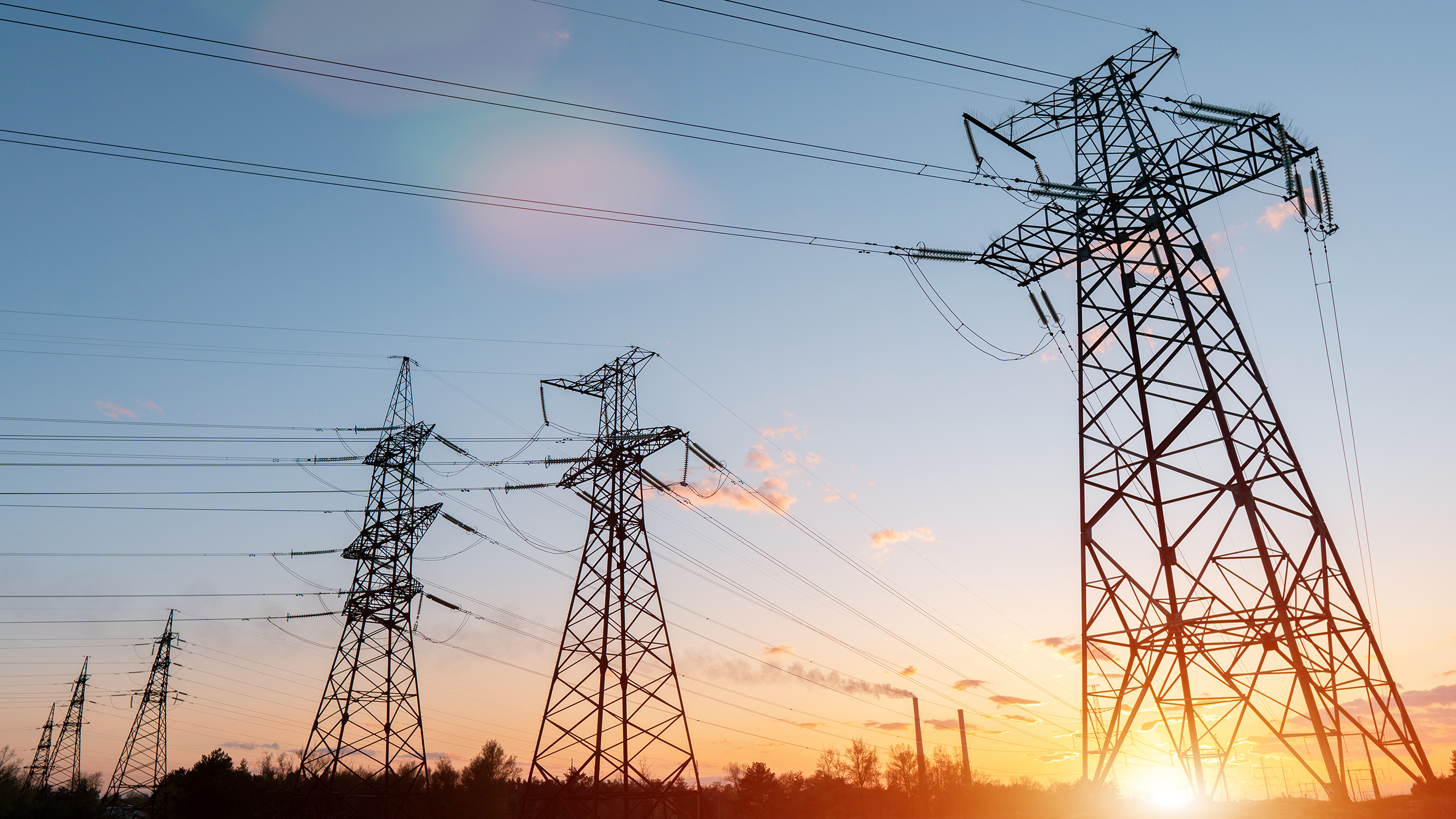
The combination of reduced hydro output and increased demand is placing new strain on the power grid. Reliability—always a top priority—becomes even more critical under these conditions.
Key challenges include:
1. Peak Demand Management
Periods of extreme heat or cold can drive sudden increases in electricity usage. With limited generation flexibility, meeting these peaks becomes more difficult.
2. System Balancing
Maintaining a stable grid requires constant alignment between supply and demand. Reduced hydro capacity limits the ability to quickly ramp generation up or down.
3. Infrastructure Stress
As systems operate closer to their limits, the margin for error shrinks. Equipment must perform reliably under increased load and tighter operating conditions.
The Growing Importance of Testing and Validation
In a constrained energy environment, there is little room for uncertainty. Every component of the power system—from generation equipment to backup systems—must perform exactly as expected.
This is where rigorous testing and validation play a critical role.
Load Bank Testing
Load banks simulate real electrical demand, allowing operators to test systems under controlled conditions. This is essential for:
- Verifying generator performance
- Ensuring backup systems are fully operational
- Identifying potential weaknesses before failure occurs
In times of reduced generation capacity, ensuring that every available asset performs reliably becomes even more important.
Commissioning and Preventative Maintenance
As infrastructure ages and demand grows, proactive maintenance and thorough commissioning processes help reduce the risk of unexpected outages.
Key benefits include:
- Improved system reliability
- Reduced downtime
- Greater confidence in emergency response capabilities
Temporary Power as a Strategic Solution
During periods of grid stress or infrastructure upgrades, temporary power solutions can provide critical support. These systems are used to:
- Maintain operations during planned outages
- Support construction and system upgrades
- Provide backup during emergencies
Temporary power ensures continuity, allowing essential services and industrial operations to continue without interruption.
Adapting to a Changing Energy Landscape
The challenges posed by drought are part of a broader shift in British Columbia’s energy landscape. As climate variability increases, utilities and infrastructure providers must adapt to new realities.
Diversification of Energy Sources
While hydro will remain central, there is growing interest in:
These resources can help offset variability in hydro generation—but they also introduce new complexities in grid management.
Increased Focus on Resilience
Resilience is becoming a defining characteristic of modern power systems. This includes:
- Designing infrastructure to withstand extreme conditions
- Implementing advanced monitoring and control systems
- Ensuring rapid response capabilities during disruptions
Electrification Driving Demand
At the same time, demand for electricity continues to rise. Electrification of transportation, buildings, and industry is accelerating, placing additional pressure on an already constrained system.
Building a More Reliable Future
British Columbia’s power grid is undergoing a period of transformation. What was once a system defined by abundance is now being challenged by variability and uncertainty.
Projects like the Site C Dam will help increase capacity, but they are only part of the solution. Ensuring reliability in a changing environment requires a comprehensive approach—one that includes testing, validation, and strategic support services.
At Fundamental Power Solutions, we help organizations navigate these challenges with load bank testing, temporary power, and commissioning services designed to ensure systems perform when it matters most. Because in today’s energy landscape, reliability isn’t optional — it’s essential.